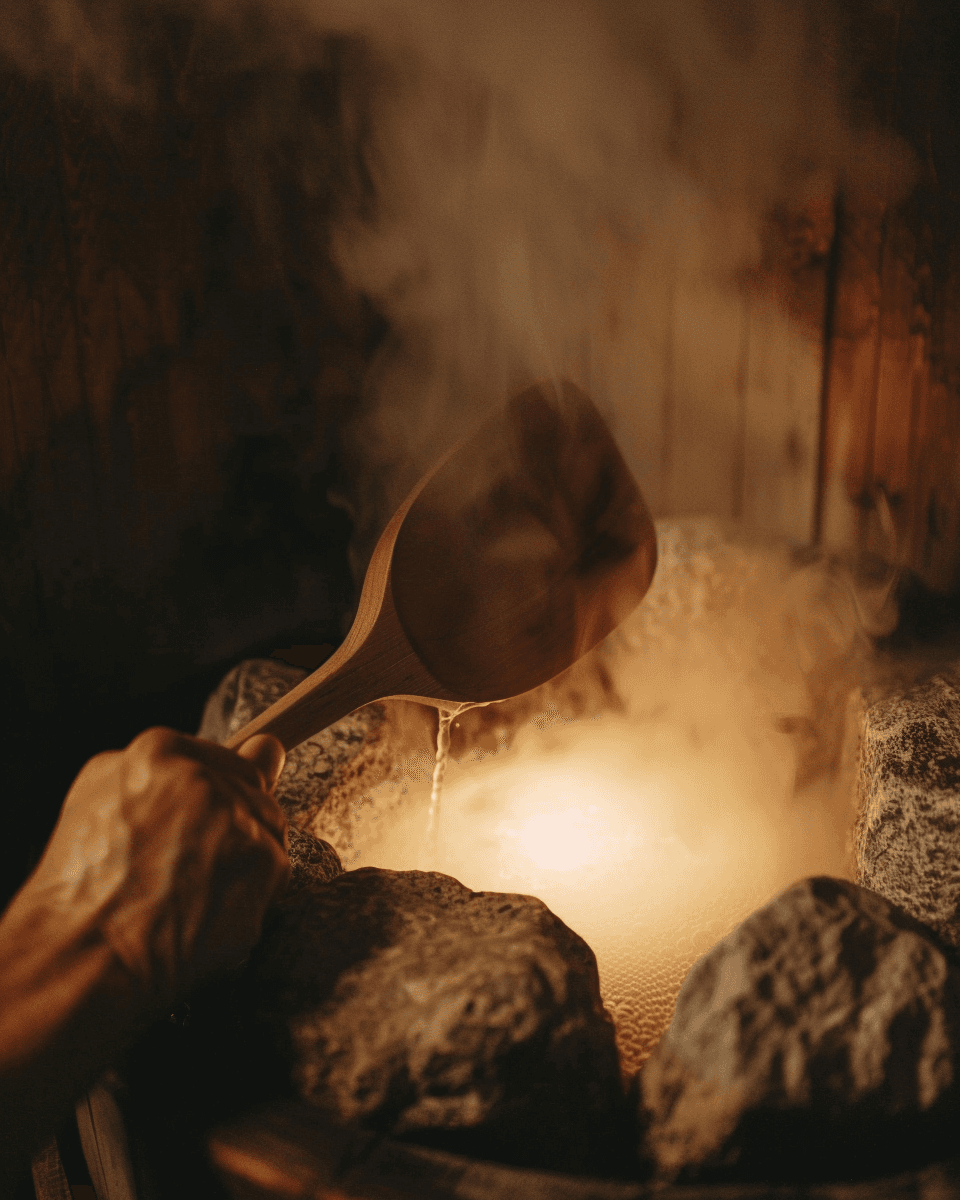
Sauna Bucket & Ladle: The Complete Guide
The kiulu (bucket) and kauha (ladle) are the most essential tools in any sauna. Without them, there is no löyly. Here is everything you need to know about choosing, using, and caring for the right set.
What Are Kiulu and Kauha?
Kiulu (pronounced “key-oo-loo”) is the Finnish word for a sauna bucket. It holds the water that you will throw onto the hot stones to create steam. Some Finns also call it saavi or sanko, depending on the region and the style of the bucket.
Kauha (pronounced “cow-ha”) is the ladle — a long-handled scoop used to take water from the bucket and toss it onto the sauna stones (kiuas). The long handle is not just for convenience; it keeps your hand safely away from the blast of steam that erupts the moment water hits the hot stones.
Together, these two humble objects are the heart of the Finnish sauna ritual. Every sauna in Finland has them, from the simplest summer cottage to the most luxurious spa. They are to the sauna what a teapot is to tea — technically you could manage without them, but the experience would be fundamentally different.
Why the Bucket and Ladle Matter
Löyly is everything. The word löyly refers to the steam that rises from the sauna stones when you throw water on them. It is not just steam — it is a momentary wave of intense, humid heat that wraps around your body. Controlling the löyly is the art of sauna, and your bucket and ladle are the tools that give you that control.
A small, gentle throw produces a soft, enveloping warmth. A full ladle sends a fierce blast of steam upward that descends onto the bathers like a wall of heat. Knowing how much water to throw, and how often, is something Finns learn instinctively from childhood. It is about reading the room (literally) — the temperature, the humidity, and the preferences of the people around you.
Safety is another reason the right ladle matters. When water hits stones at 300–500°C, the steam blast is immediate and powerful. A ladle that is too short puts your hand in the danger zone. A ladle that holds too much water can produce an overwhelming burst of steam in a small sauna. The right tool gives you precision and keeps you safe.
Materials Compared
Sauna buckets and ladles come in four main materials, each with distinct characteristics. Here is how they compare:
| Material | Pros | Cons | Best For |
|---|---|---|---|
| Wood (pine, aspen, cedar) | Traditional look, naturally cool handles, beautiful grain, pleasant scent | Requires oiling, can crack if neglected, heavier | Traditionalists, home saunas, aesthetics-first buyers |
| Stainless Steel (with wooden handle) | Extremely durable, low maintenance, hygienic, lightweight | Less traditional feel, metal inserts can get warm, clinical aesthetic | Public saunas, low-maintenance setups, modern interiors |
| Copper | Stunning appearance, develops beautiful patina, excellent durability, naturally antibacterial | Expensive, heavier, requires polishing to keep shiny (or let patina develop) | Premium home saunas, design-conscious buyers, long-term investment |
| Aluminium | Very lightweight, affordable, rust-resistant | Thin feel, less premium, can dent, handles need insulation | Budget setups, portable saunas, camping |
Wood — The Traditional Choice
Wooden buckets are the most traditional and, for many Finns, the only real option. Pine is the most common wood, but aspen is considered the best because it does not splinter, stays cool to the touch, and has minimal grain movement (meaning it is less likely to warp or crack). Cedar is another excellent option with natural rot resistance and a subtle, pleasant aroma.
The inside of a wooden bucket is typically lined with a plastic or stainless steel insert to prevent leaking as the wood ages. This is standard and does not diminish the traditional feel. Without a liner, a wooden bucket needs to be soaked before each use to swell the wood and seal the gaps between staves — which is authentic but inconvenient.
Stainless Steel — The Modern Workhorse
Stainless steel buckets with wooden handles combine modern durability with practical comfort. The steel body is virtually indestructible, hygienic, and easy to clean. The wooden handle ensures you can pick up the bucket comfortably even in a hot sauna. Finnish brands like Rento and Harvia produce excellent stainless steel sets that look sleek in contemporary sauna designs.
Copper — The Premium Statement
Copper sauna buckets are the luxury option and they look absolutely stunning. A new copper bucket has a warm, rosy glow that darkens over time into a rich patina. Copper is naturally antibacterial, which is a nice bonus in a wet environment. The main barrier is price — a good copper set can cost three to five times as much as a wooden one. But if you appreciate craftsmanship and are outfitting a sauna you plan to use for decades, copper is the material that will age most beautifully.
Aluminium — The Practical Option
Aluminium buckets are lightweight and affordable. They work well for portable or camping sauna setups where weight matters. However, they feel less substantial than the other options and lack the charm of wood or the elegance of copper. Aluminium is functional, and for some setups that is all you need.
Advertisement
Ad placeholder — connect ad network in production
Size Guide: 4L vs 7L
Sauna buckets typically come in two sizes: 4 litres and 7 litres. The right choice depends on how you sauna.
A 4-litre bucket is ideal for solo sauna sessions or couples. It is lighter to carry, easier to handle, and provides plenty of water for a standard session of 2–3 rounds. Most home saunas do well with this size. A full 4-litre bucket gives you roughly 15–20 generous ladle throws, which is more than enough for most sessions.
A 7-litre bucket is the better choice if you regularly sauna with family or friends, or if you like very long sessions with lots of löyly. It saves you the trip to refill and means the water stays warmer throughout (cold water on hot stones creates better steam than room-temperature water). Public saunas almost always use 7-litre buckets or larger.
Our recommendation: start with a 4-litre bucket for a home sauna. If you find yourself refilling constantly, size up. The 7-litre bucket is noticeably heavier when full (~7 kg), which matters if you are carrying it from a tap to the sauna.
What to Look for When Buying
- Ladle handle length: at least 40 cm. This keeps your hand safely away from the steam burst. Shorter handles mean steam-burned knuckles — speak from experience.
- Ladle capacity: a scoop that holds about 150–200 ml is ideal. Too small and you are constantly scooping; too large and you risk drowning the stones and cooling them down.
- Bucket liner: if buying a wooden bucket, ensure it has a plastic or metal liner for leak prevention. Without one, you will need to soak the bucket before every use.
- Handle comfort: rounded, smooth wooden handles are best. Avoid sharp edges or unfinished wood that can splinter when wet.
- Matching set: buying the bucket and ladle together ensures they match aesthetically. Most Finnish brands sell them as a set, which is usually better value than buying separately.
- Rope or wire handle on bucket: a rope handle is softer and stays cooler. Wire handles with a wooden grip work well too, but bare metal handles will burn in a hot sauna.
Our Top Recommendations
We have used many bucket and ladle sets over the years. Here are the ones we recommend:
Rento Aluminium Bucket & Ladle Set
4.8/5Finnish-designed set with a modern matte finish and bamboo handle. Lightweight, durable, and available in beautiful earthy colours.
- —Anodised aluminium with bamboo handle
- —5-litre capacity
- —Lightweight (under 1 kg empty)
- —Available in multiple colours
- —Matching ladle included
Harvia Copper Bucket & Ladle Set
4.9/5Premium copper set from Finland's most famous sauna brand. Develops a beautiful natural patina over time. A statement piece for any sauna.
- —Solid copper construction
- —7-litre bucket capacity
- —Wooden handle for comfort
- —Naturally antibacterial
- —Heirloom-quality craftsmanship
Kolo Sauna Pine Bucket Set
4.6/5Classic Finnish pine bucket with a stainless steel liner. Traditional stave construction with a modern twist. Beautiful natural wood grain.
- —Finnish pine with stainless steel liner
- —4-litre capacity
- —Rope handle, stays cool
- —Matching wooden ladle with 45 cm handle
- —Traditional craftsman finish
Sauflex Stainless Steel Set
4.5/5No-nonsense stainless steel bucket with an insulated wooden grip. Easy to clean, impossible to break, and built for daily use.
- —18/8 stainless steel body
- —4-litre capacity
- —Wooden handle grip
- —Dishwasher safe
- —Great value for money
Care and Maintenance
Taking care of your sauna bucket and ladle ensures they last for years (or decades, in the case of copper). Here is what each material needs:
Wooden Buckets and Ladles
Wood needs the most attention. After each sauna session, empty the bucket completely and let it dry in a ventilated area. Never leave standing water in a wooden bucket overnight — this promotes mould and accelerates rot. Every few months, apply a thin coat of food-safe mineral oil or paraffin oil to the exterior to prevent the wood from drying out and cracking. Do not use vegetable-based oils as they can become rancid.
If your wooden bucket does not have a liner and develops small leaks between staves, soak it in water for 30–60 minutes before use to swell the wood and seal the gaps. This is normal and traditional — your grandfather did the same thing.
Stainless Steel and Aluminium
These are the easiest to maintain. Rinse after use, wipe dry, and store. Stainless steel is dishwasher safe. Aluminium should be hand washed with mild soap. Both materials are rust-resistant, so even if you forget to dry them occasionally, they will be fine. Check wooden handles periodically for cracks or looseness and tighten any screws.
Copper
Copper naturally develops a patina (a darker, greenish tint) over time. Many people consider this beautiful and let it happen naturally. If you prefer the bright, rosy copper look, clean it periodically with a mixture of lemon juice and salt, or use a commercial copper polish. Rinse and dry after each use to slow patina development. Never use abrasive scrubbers on copper — they will scratch the surface.
Advertisement
Ad placeholder — connect ad network in production
Get Our Free Sauna Setup Checklist
Everything you need for the perfect sauna, from bucket to bench. A printable PDF with buying tips from a Finn. Plus weekly sauna tips.